
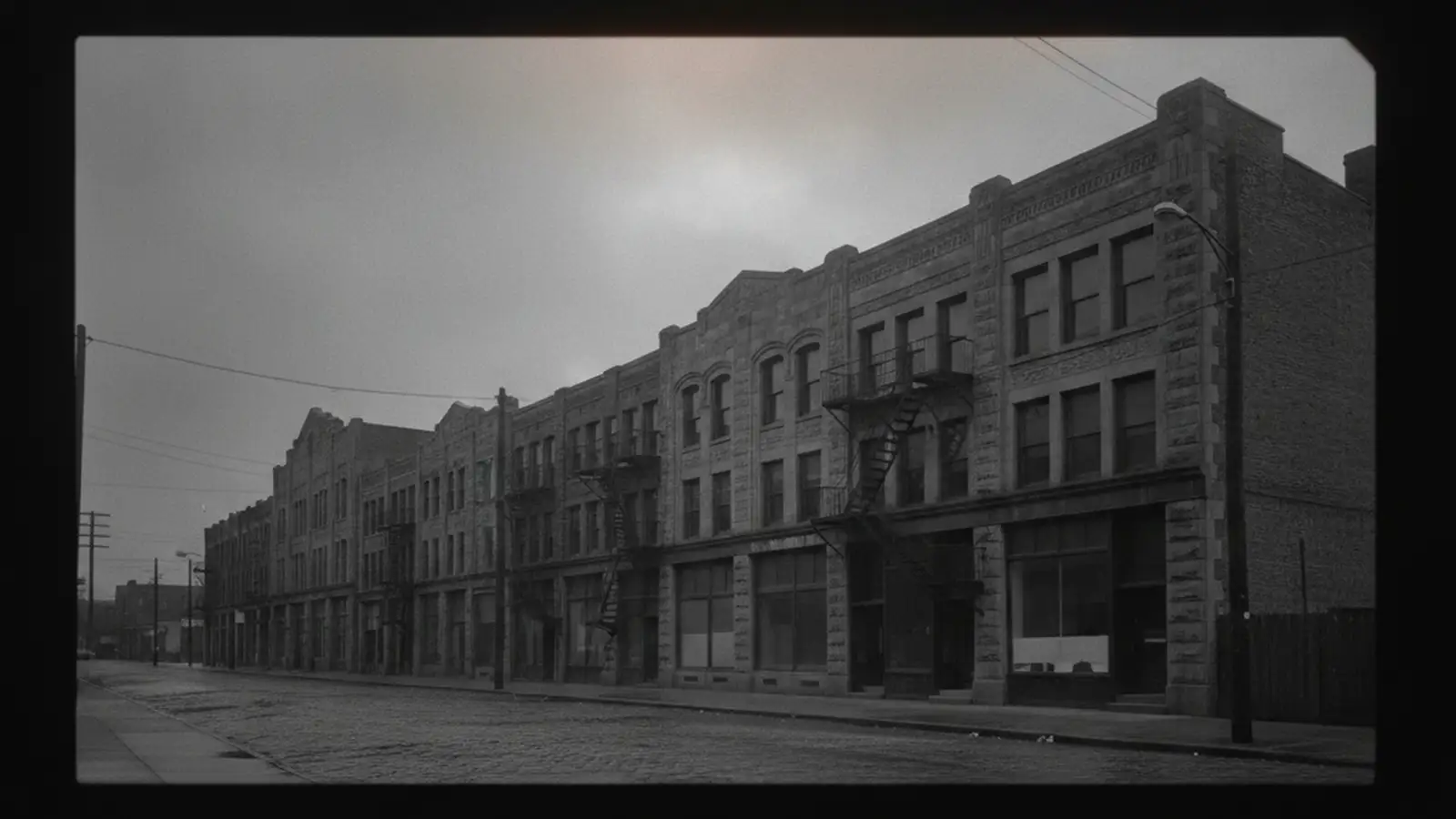
Manhattan, NY
Where We Work in Manhattan
We are based on West 38th Street and we take demolition work across the borough. Manhattan is not one job, so here is what actually changes from one part of it to another.
What changes is the building, not the address
A demolition estimate is really an estimate about access, material and hours. All three are set by the kind of building you are in, and Manhattan's building stock changes sharply from one neighborhood to the next.
A loft floor with a freight elevator and a Village walk-up with a thirty inch stair are different jobs even if the scope on paper is identical. That is the difference worth knowing about, so that is what the sections below describe.
01 Our own block
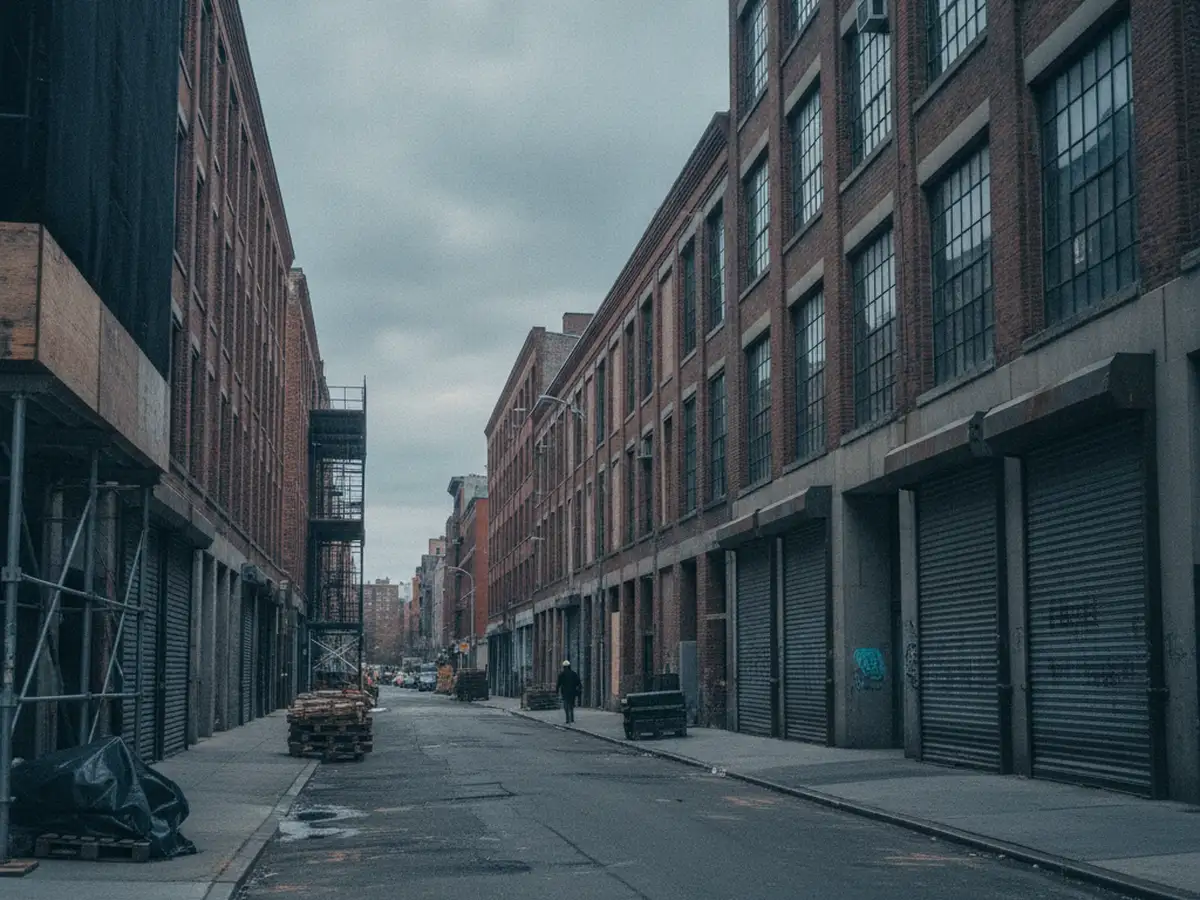
Midtown and the Garment District
Loft and showroom buildings, most of them between the 30s and 40s around Seventh Avenue, with large open floor plates, high ceilings and freight elevators built for garment work.
The floor plates are the easy part. The freight is shared and released in blocks, and a good deal of this stock has not been renovated in decades, so what is behind a partition is often plaster, not drywall. There is also a lot of office repositioning here, which means partial floors coming out while the rest of the building works.
Our own premises are at 144 W 38th St, New York, NY 10018, in the middle of it.
02 Cast iron and timber
SoHo, Tribeca and NoHo
Cast-iron and heavy-timber loft buildings with big floor plates and original structure worth keeping intact.
These sit inside historic districts, so Landmarks has to sign off before the Department of Buildings will issue a permit. For an interior strip-out that leaves protected features alone, that sign-off is a Certificate of No Effect: staff level, no hearing, often about ten business days. It is a step to file early rather than a hurdle, and knowing which one it is stops people budgeting for a hearing they do not need.
Timber structure needs a lighter touch than a concrete frame, particularly when taking up floor build-ups.
03 Walk-ups
The Villages and the Lower East Side
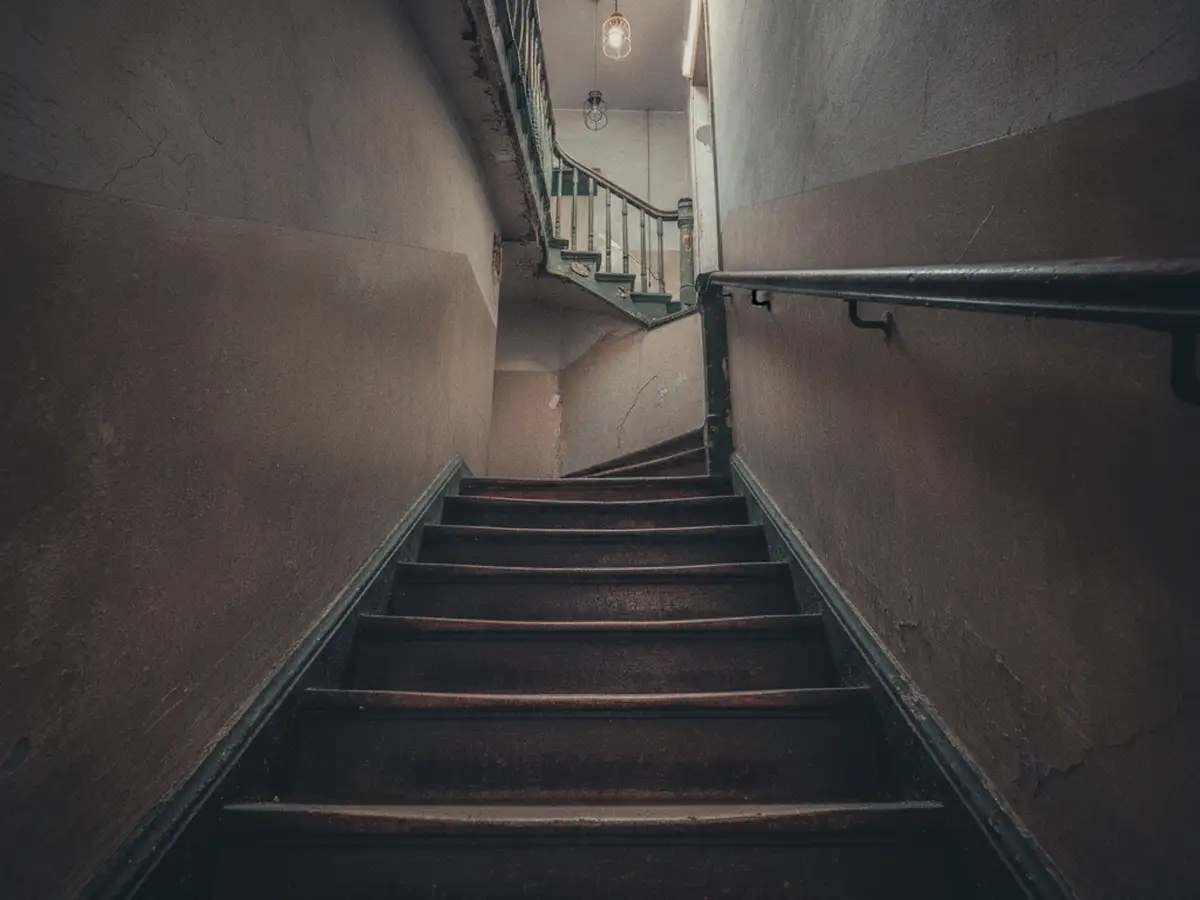
Greenwich Village, the West Village, the East Village, the Lower East Side and Chinatown hold the oldest stock in the borough. Tenement and brownstone walk-ups, narrow stairs, no service elevator.
Everything leaves on foot. That decides the crew size, the sequence and the duration far more than the scope does, and it is the single biggest reason estimates here differ from the same work in a loft building.
Plaster on masonry is the norm rather than the exception, so allow more time than a drywall job of the same size.
04 Warehouse conversions
Chelsea, Flatiron and NoMad
Converted warehouse and loft buildings with a steady churn of gallery, showroom and retail fit-outs.
Spaces here turn over often, which means a lot of partial strip-outs and end-of-lease strip-out work rather than full guts. Ground floor retail sits under occupied floors, so noise reaches people rather than empty offices.
05 Towers and conversions
Financial District and Lower Manhattan
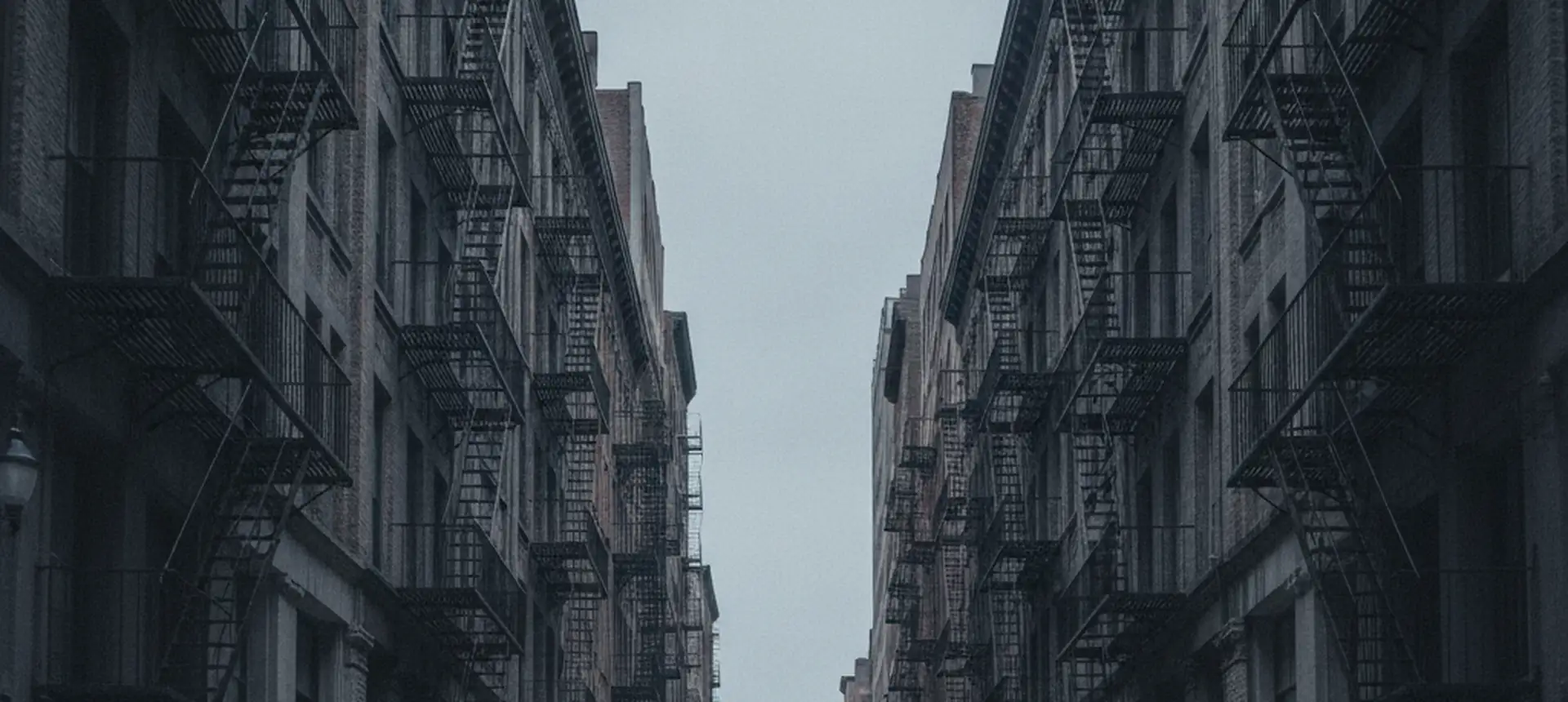
Office towers, and a good deal of active office-to-residential conversion work.
Street access is the constraint. The streets are narrow and often restricted, loading windows are tight, and container placement takes real planning. Inside, the buildings are generally well served by freight, so the bottleneck is usually at the curb rather than at the elevator.
06 Alteration agreements
Upper East Side and Upper West Side
Prewar co-ops, doorman buildings and brownstones.
Here the building's alteration agreement governs the job more than the city does. Expect narrower working hours than the city allows, a specified service entrance and elevator, and defined corridor protection. Some buildings restrict work in summer months entirely.
We ask for the alteration agreement before we price, because it contains the three facts that decide the schedule.
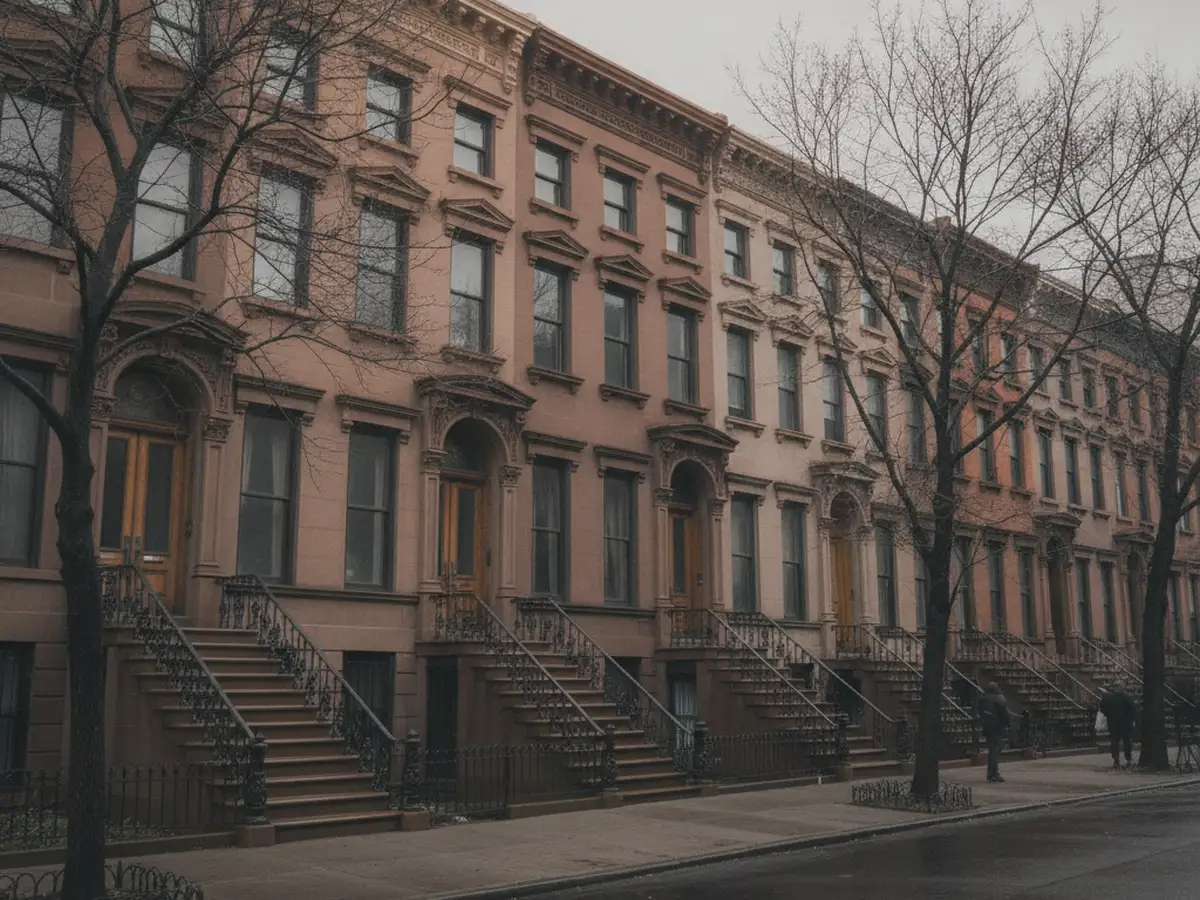
07 Row houses
Upper Manhattan
Harlem, East Harlem, Hamilton Heights, Washington Heights and Inwood. Brownstones, row houses and prewar apartment buildings.
Street and loading access is generally easier than downtown, which helps on any job with real volume coming out. Much of the row house stock has original plaster, decorative work and floor build-ups that repay a careful strip-out rather than a fast one.
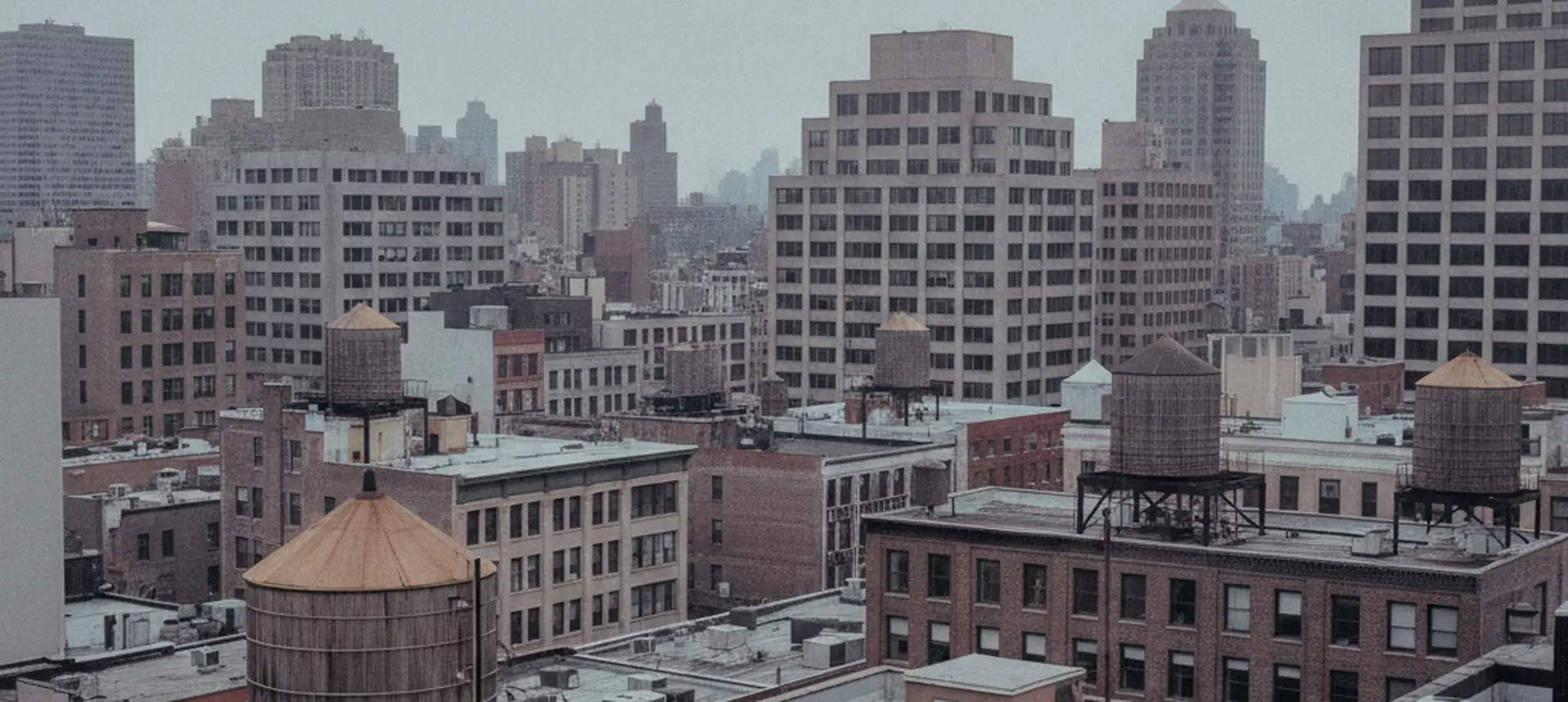
Midtown Manhattan rooftops
We work across Manhattan. If you are just outside the borough, call and ask rather than assuming, and we will give you a straight answer.